
The Complete Guide to Melasma Treatment in Los Angeles
Melasma is one of the most persistent and frustrating pigment disorders patients experience.Many patients in Los Angeles struggle with:
- Recurring brown patches
- Pigment that fades and returns
- Treatments that initially work but later rebound
Melasma is not simply a surface discoloration. It is a chronic pigment regulation disorder influenced by:
- Hormonal fluctuations
- UV exposure
- Heat and inflammation
- Genetic predisposition
- Skin barrier disruption
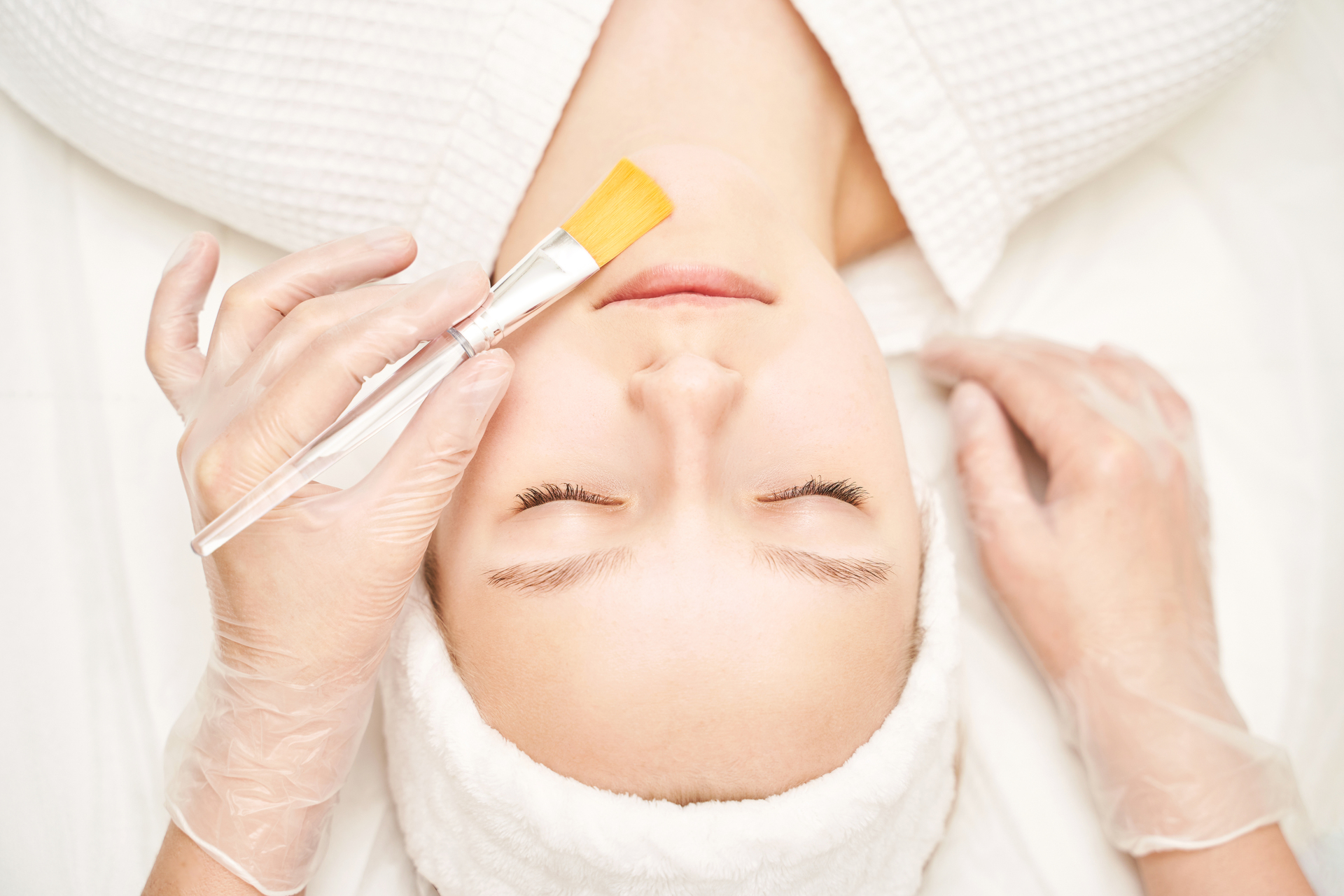
At Ortali Wellness, melasma treatment is approached through pigment biology — not aggressive resurfacing. Because melasma is easily triggered by inflammation, overly aggressive laser treatments can sometimes worsen pigmentation. For many patients, medical-grade chemical peel systems such as VI Peel and Cosmelan provide safer, more controlled pigment management.
What Exactly Is Melasma?
Melasma is a chronic hyperpigmentation disorder characterized by brown or gray-brown patches, typically appearing symmetrically on the face.Common areas include:
- Cheeks
- Forehead
- Upper lip
- Jawline
It is especially common in women and is frequently influenced by pregnancy, birth control medications, hormonal shifts, and sun exposure.Melasma is sometimes called the “mask of pregnancy,” but it is not limited to pregnancy-related cases.Importantly, melasma is not just excess pigment sitting on the surface — it often involves deeper pigment pathways.
Why Melasma Is So Difficult to Treat
Melasma can involve multiple layers of the skin:
- Epidermal pigmentation (superficial)
- Dermal pigmentation (deeper)
- Mixed patterns
Deeper pigment is more resistant to removal.
Additionally, melanocytes (pigment-producing cells) in melasma-prone skin are hypersensitive. Even minimal triggers — heat, UV exposure, inflammation — can reactivate pigment production.This is why melasma requires:
- Long-term maintenance
- Strict sun protection
- Controlled, biologically intelligent treatments
It is not a one-time correction problem.
Why Laser Treatments Can Sometimes Worsen Melasma
Although lasers are powerful tools for certain pigment conditions, melasma behaves differently.Laser energy can:
- Create thermal inflammation
- Stimulate melanocyte overactivity
- Trigger rebound hyperpigmentation
Inflammation is one of the primary drivers of melasma recurrence. For this reason, many pigment specialists in Los Angeles prefer enzymatic and chemical pigment suppression systems that reduce inflammation while regulating pigment production.
How VI Peel Helps Manage Melasma
VI Peel is a medical-grade medium-depth peel designed to improve pigment irregularities and early photoaging.It typically contains a blend of:
- Trichloroacetic acid (TCA)
- Salicylic acid
- Retinoic acid
- Vitamin C
These ingredients work synergistically to:
- Accelerate keratinocyte turnover
- Break up superficial pigment clustering
- Improve overall skin clarity
- Reduce inflammation-driven pigment retention
What to Expect After VI Peel
- Peeling typically occurs over 5–7 days
- Temporary redness and flaking are normal
- Pigment lightening is gradual
VI Peel is often ideal for mild to moderate melasma, acne-related hyperpigmentation, and early sun damage. It improves surface pigment while maintaining barrier integrity when properly administered.
How Cosmelan Targets Melasma at the Enzymatic Level
Cosmelan is a professional depigmentation protocol specifically designed for melasma management.Unlike traditional peels, Cosmelan works by suppressing melanin production at the source. Its primary mechanism involves inhibition of tyrosinase — the enzyme responsible for melanin synthesis.
By reducing tyrosinase activity, Cosmelan helps:
- Decrease new pigment formation
- Calm melanocyte overactivity
- Stabilize chronic pigmentation
Cosmelan Treatment Protocol
- In-office mask application
- Structured at-home maintenance program
- Strict sun protection compliance
Cosmelan is often preferred for hormonal melasma, chronic or recurrent pigment, and refractory cases resistant to other treatments.Compliance with the home regimen is essential for long-term success.
VI Peel vs Cosmelan for Melasma Maintenance
VI Peel
Best for superficial pigment, mild to moderate melasma, and patients needing periodic pigment refresh.
Cosmelan
Best for hormonal melasma, deeper pigment patterns, and chronic or stubborn cases.In many cases, these treatments may be strategically alternated within a long-term pigment management plan.
Why Melasma Requires Long-Term Maintenance
Melasma is a chronic condition — not a one-time correction.Effective maintenance strategies include:
- Daily SPF 50+ mineral sunscreen
- Antioxidant serums
- Retinoid cycling
- Periodic maintenance peels
- Barrier repair protocols
Even small amounts of UV exposure can reactivate pigment production. Consistency is critical.
Ideal Candidates for Chemical Peel Melasma Treatment
Non-laser melasma treatment may be appropriate for patients who:
- Have stable pigment patterns
- Follow strict sun protection
- Prefer lower inflammation approaches
- Want medical-grade pigment regulation
A professional evaluation is necessary to determine pigment depth and skin type.
Who Should Avoid Aggressive Pigment Treatments?
More conservative protocols may be needed for patients with:
- Active inflammatory skin conditions
- Recent isotretinoin use
- Uncontrolled rosacea
- Compromised skin barrier
Melasma-prone skin must be treated gently and strategically.
Treatment Timeline Expectations
Patients should expect gradual improvement:
Weeks 1–2
Initial brightening and mild lightening.
Weeks 4–8
More noticeable pigment reduction.
Months 3+
Long-term stabilization with maintenance.Melasma management is a long-term partnership between physician and patient.
The Role of Regenerative Skin Support in Melasma
Melasma treatment is often combined with:
- Skin barrier repair therapy
- Antioxidant protocols
- Collagen-supportive treatments
- Anti-inflammatory skincare
Healthier skin is more resistant to pigment dysregulation.
Final Thoughts: Managing Melasma With Precision
Melasma is a complex pigment disorder requiring biologically intelligent treatment strategies.VI Peel and Cosmelan are two of the most effective non-laser melasma management systems available in modern aesthetic medicine.For patients in Los Angeles seeking melasma treatment without aggressive laser resurfacing, controlled chemical depigmentation protocols can provide gradual, sustainable improvement when performed within a medical framework.At Ortali Wellness, melasma treatment is approached as long-term pigment management — not quick correction.Stable skin. Controlled pigment. Intelligent maintenance.